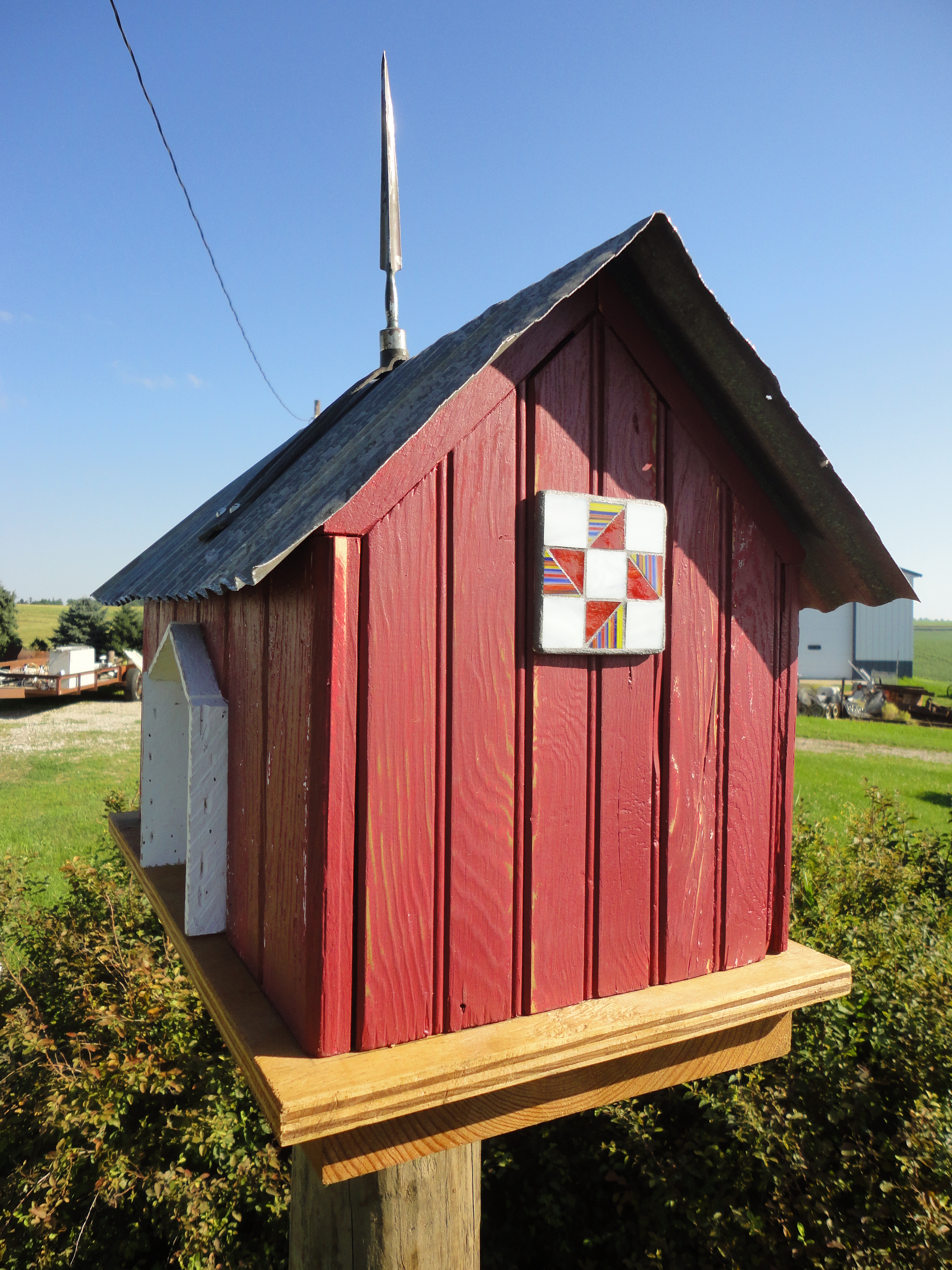
Robin Roosts DIY

I’m back with a little something random to get the summer season started. 

I love watching and listening to all the birds that visit our farm, but I swear the robin population is doubling every year.  They are super fast nest builders and will get in every nook they can find. My husband has even had to remove the beginnings of a nest out of the grill of his truck the last few mornings, it’s crazy. They can get a little aggressive when watching over hatchlings learning to fly too.  I once had one repeatedly swoop down on the top of my head while I attempted to hang clothes on the line, not realizing her baby was on the ground nearby.

The idea of robin roosts came to mind when we were getting ready to toss a small pile of wood scraps. Why not get a little more use out of the lumber and give our feathered friends a few other options for nesting? It was a plus plus!
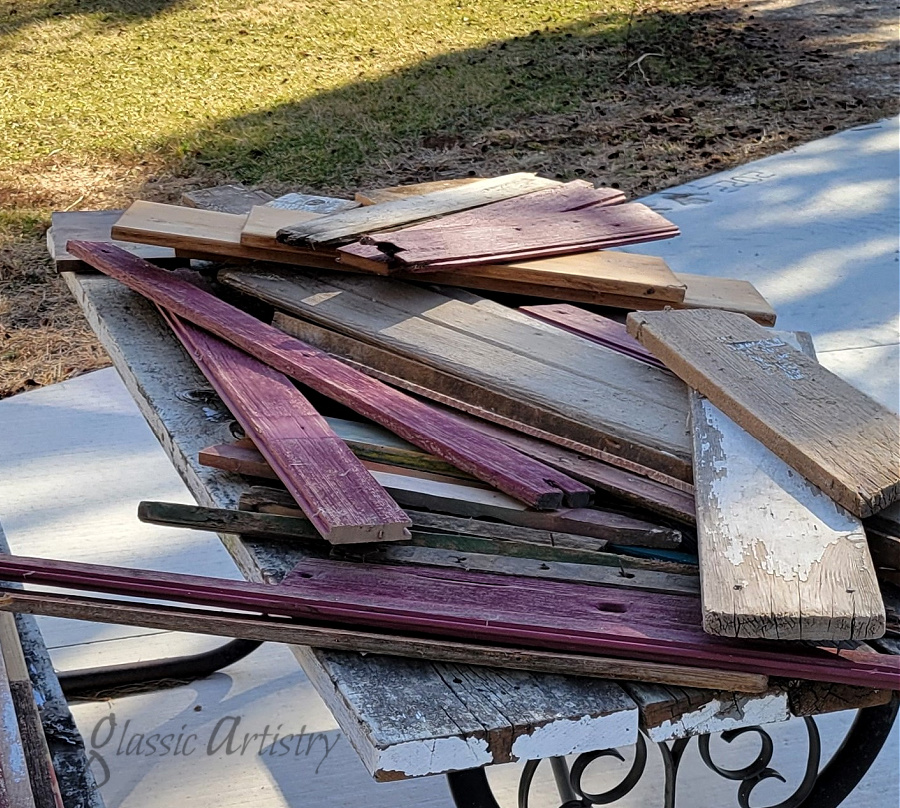
I’d consider this a weekend project; no right or wrong way, just using what you have along with a table saw, nail gun and screws.

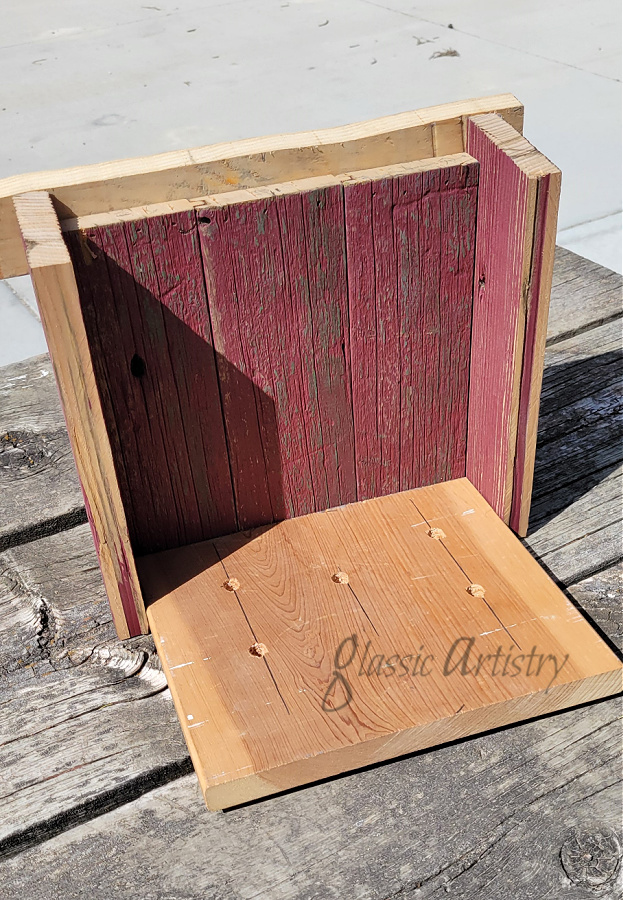
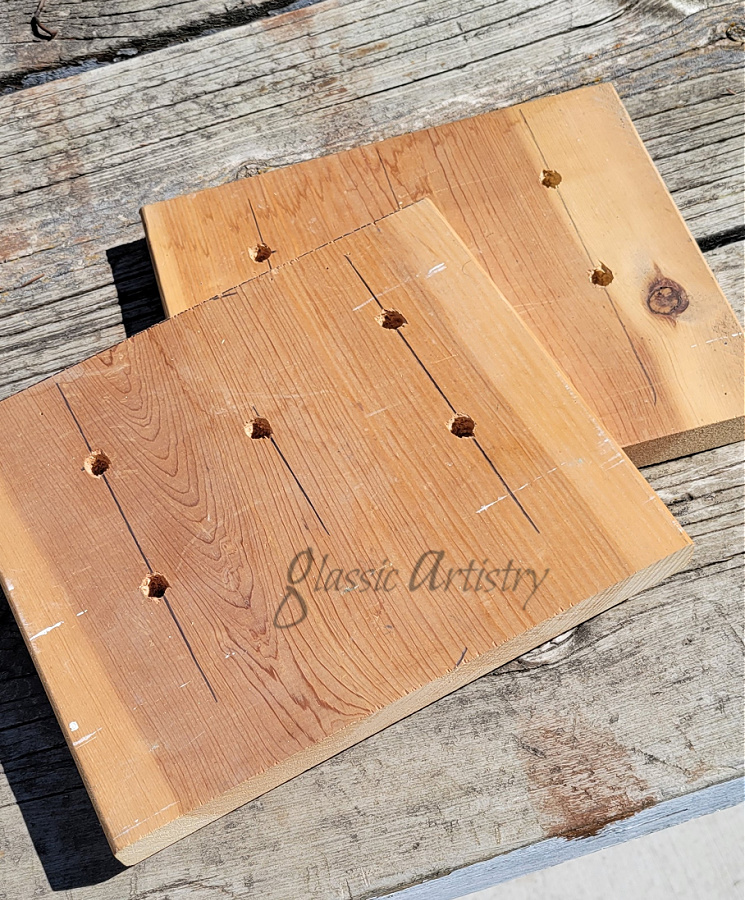
Our widest board in the pile was 9 ¼”.  It was cut in 8” increments to use as bases. Five holes were drilled in each piece for drainage.
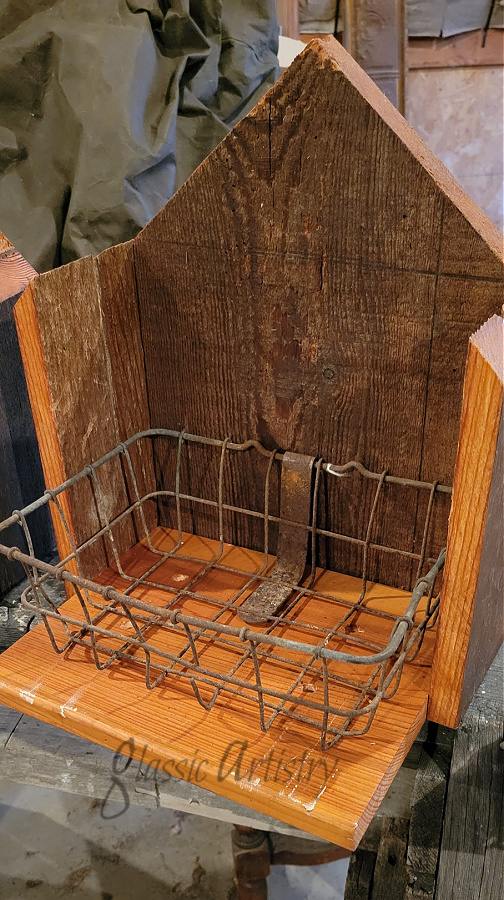
Two house shapes from a past project were in the pile so we started with them. They measured about 10” wide and 12” high at the peak.  The shapes were attached to the back of the bases.  Tongue and groove pieces were trimmed and attached to the sides. The sides were cut at a slant at the top so a steel roof could lie flat against it. 

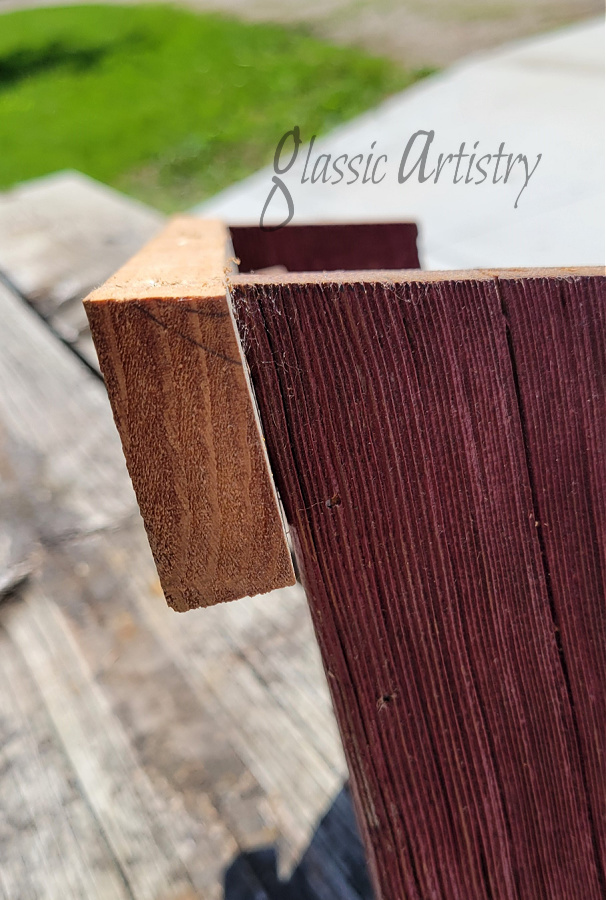
The other roosts had a square design with tongue and groove attached for the sides and back. A piece of 2” wide lumber was added along the top backside to hold the pieces solidly.  We forgot to cut a slanted edge on the 2” piece for the roof when we first put them together and had to remove it, take it to the table saw to trim, and reattach it.  There’s always a learning process, right?

The roosts were stained and water proofed, drying over night between steps.

They were a bit plain looking at this point.  Vintage hooks, handles, insulators, and a rusty wire basket were added to perk them up BEFORE the roofs went on.

The embellishments helped with my concern about hanging them securely too.  One hole on each handle and hook was enlarged so a long bolt could be used in place of a screw. It gets pretty windy here. The length on the bolt will be used for wrapping wire when time to hang. 

The added extras may even help hold in nesting materials, who knows?

Steel roofs were cut with tin snips and screwed on. Caution is key when working with steel; the edges can be very sharp. 

We lightly smoothed the edges of the steel with a grinder before screwing them on. An eye bolt was centered and screwed through the steel for hanging.  A washer can be used under the eye bolt to help it fit more snugly between the steel groves.

A helpful tip for bending steel can be found in one of my previous post https://glassictouch.com/2015/08/10/barn-bird-feeder-with-mini-barn-quilt/.

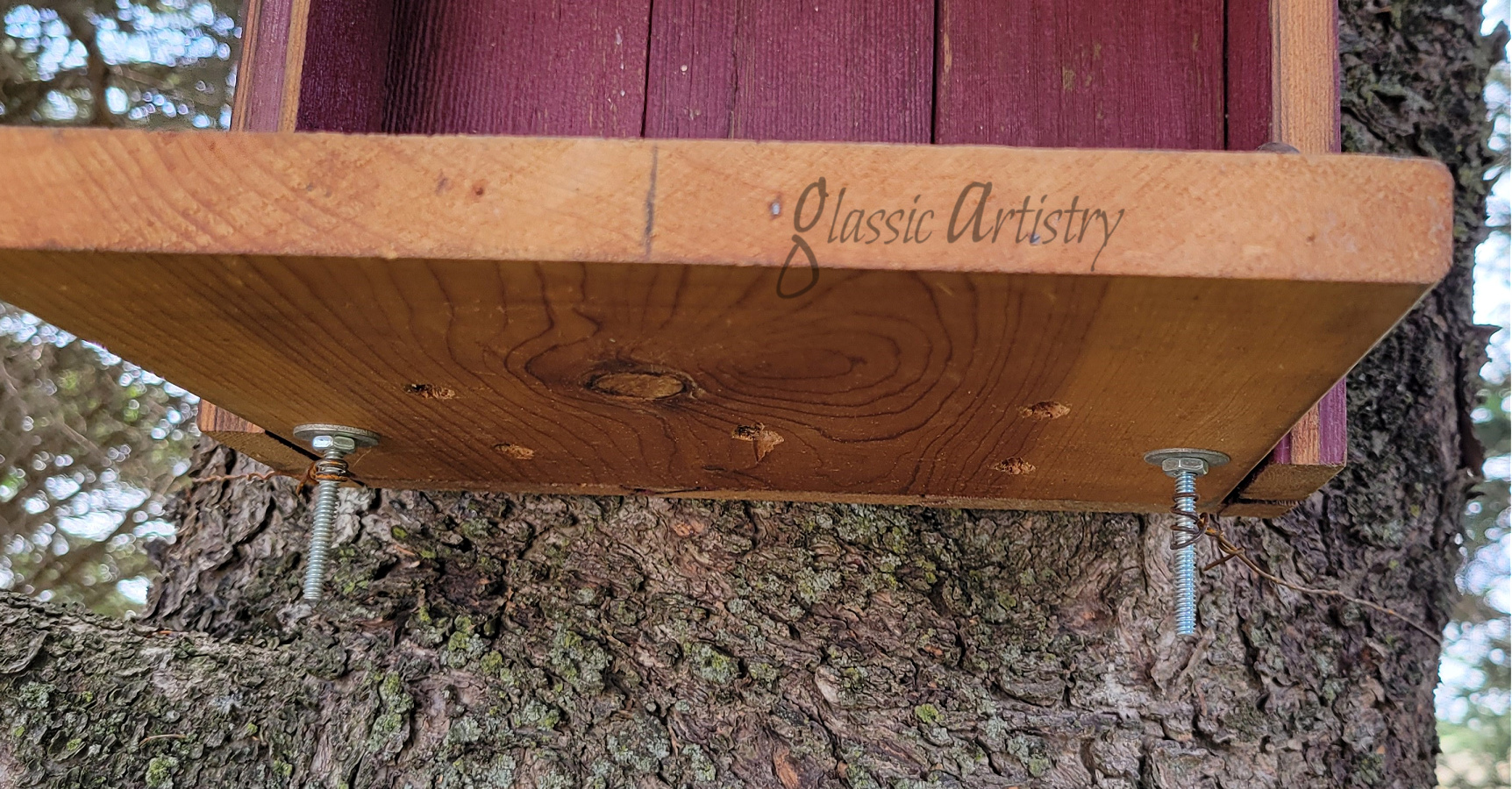
Per google, it is suggested that robins like their roost to face north or east, 3 to 6 feet off of the ground. I’m not sure it makes that much difference because they are everywhere here.  My daughter snagged a couple roosts to hang at her place and we attached ours to yard light poles and an old pine that is due to be replaced in another year or two.  A length of wire was wrapped around the tree and wired tightly to the long bolts to hold it secure and prevent rocking in the wind.
 

Now I’ll be keeping a watchful eye to see if any tenants move in.

I’ve had the winter to mull over hundreds of garden paths and stepping stone ideas.   I can’t wait to get back on that project.  There’s so many awesome ideas on Pinterest. It’s time to stop looking and start doing. 

Feel free to comment, like and share if you so please. It’s fun to hear from readers.

I hope everyone has a fantastic summer!

Upcycled Chicken Feeder Birdfeeder DIY

Couldn’t resist making one more fun piece for my garden before getting on to things I should probably really be doing. 🙂

I’d like to attract more birds, and thought a small feeder in the garden would help.

An old metal chicken feeder has been hanging in my garage for several years now, so why not put it to use.

Of course, what fun would it be to hang it just the way it was?

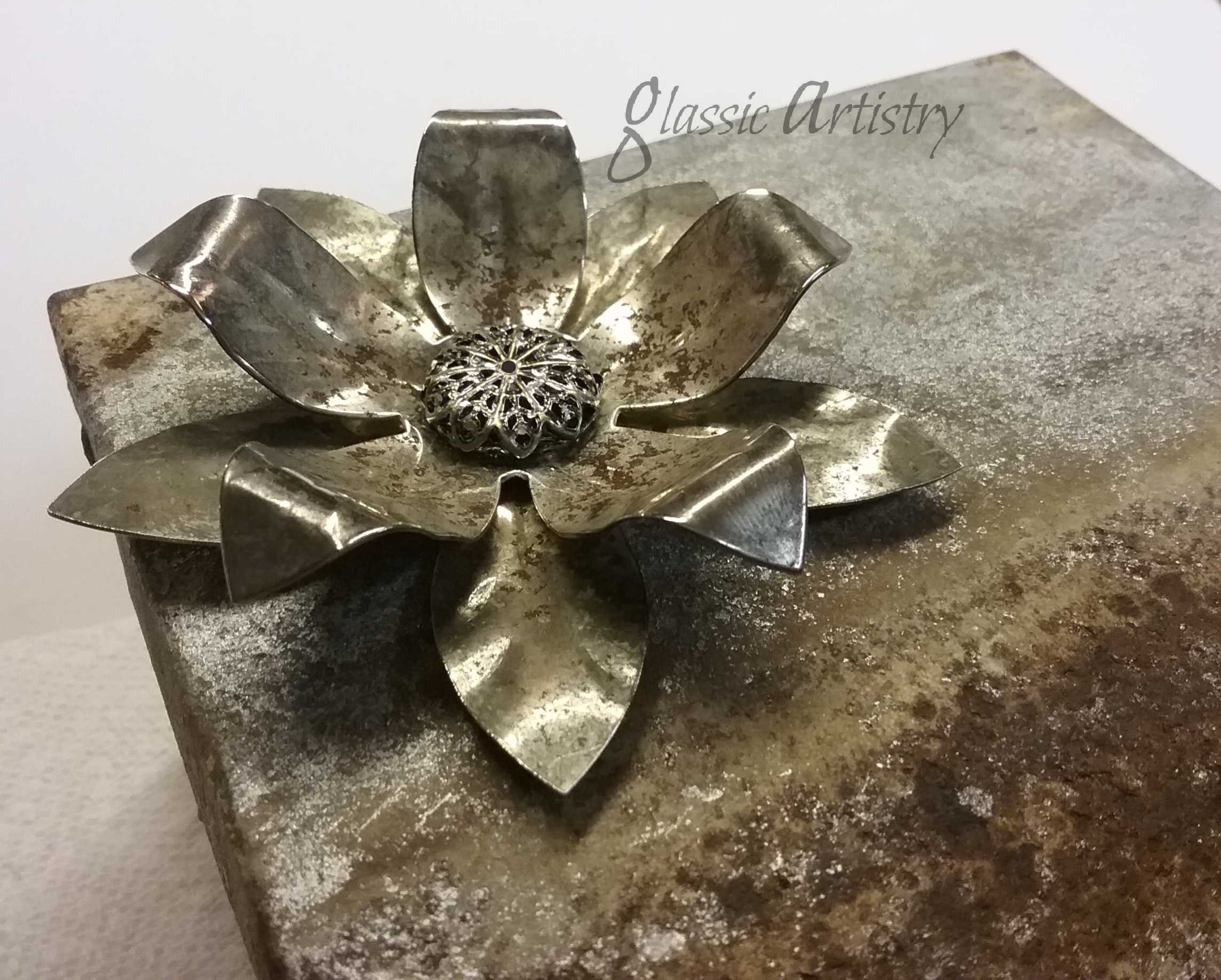
I found a pair of silver plated flower votive holders that had been sitting around for a long time too. Aren’t those petals gorgeous? And, they were simply put together with a small nut and bolt.

After drilling a hole, two of the flatter petals were attached to the feeder with the small nut and bolt. To cover the bolt, the top of a decorative metal bead was painted silver, then indented on the backside with a screwdriver tip and a quick whack of a hammer. Adhered with JB Weld.

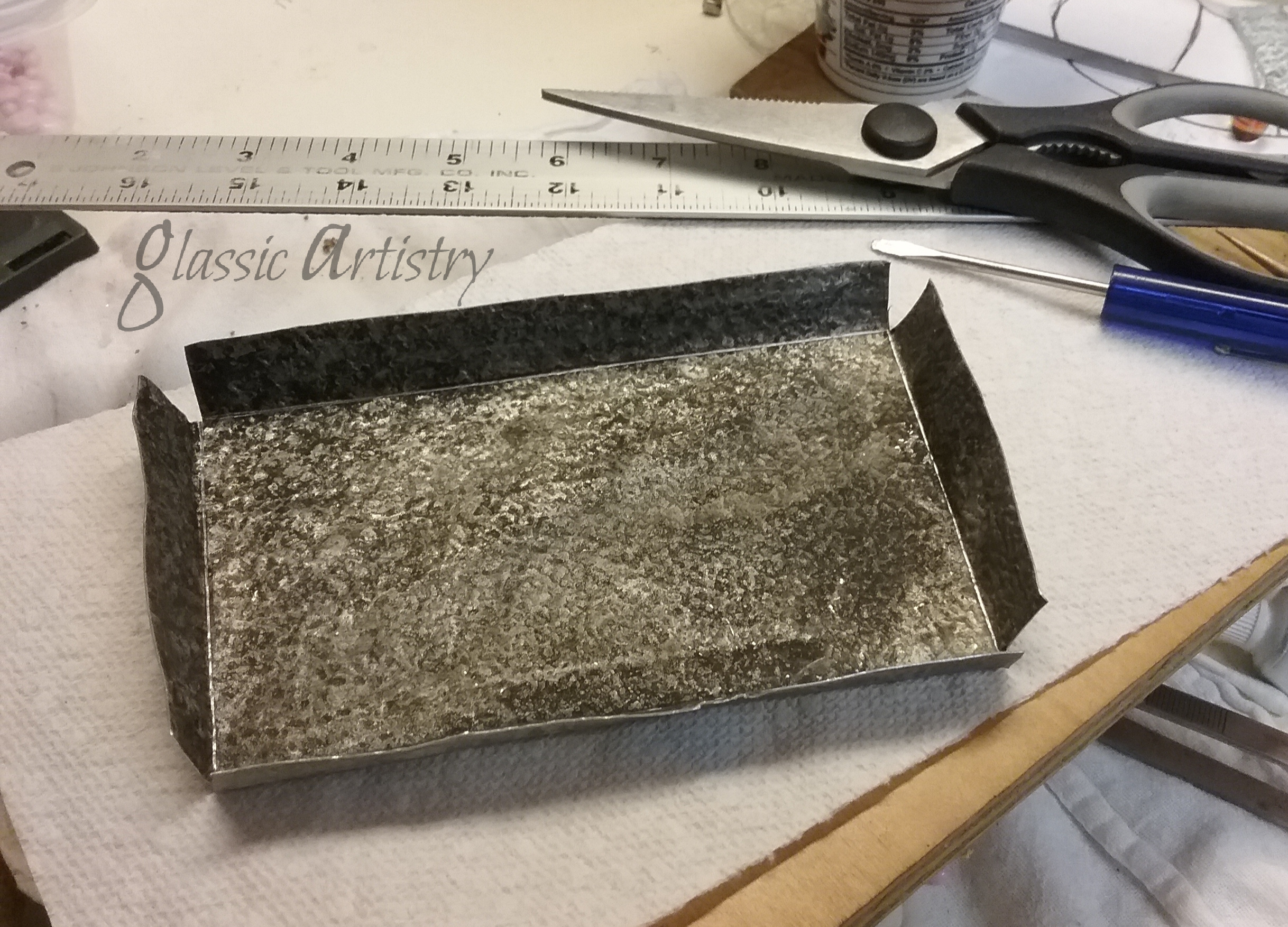
A rectangle of thin scrap aluminum was flattened and cut to make a top. The sharp edges were filed where needed and the corners were notched. The fold lines were scored on the backside with the tip of a screwdriver before bending.

That’s it! One afternoon! This may be one of the quickest and easiest upcycles I’ve ever done. I did let the JB Weld dry overnight before hanging it outside. Isn’t it cute? It’s perfect for my garden.

We’ve got a local vintage market coming up this Saturday, Dysart’s Back Roads Vintage Market https://www.facebook.com/events/422893409128982. Can’t wait to get there. It’s been awhile since I’ve been out #treasurehunting, I’m hoping to bring home lots of good stuff!

Barn Bird Feeder with Mini Barn Quilt

Welcome to glassic touch!

I’ve been eager to start my own blog for a long time, and to join the ranks of all those wonderful people who are willing to share their ideas and techniques with the world. My lack of computer savvy and a fear of not knowing what I’m doing has always held me back. Well, we can’t have anymore of that! They say “you learn by doing”, so I’m going to jump in with both feet and see how it goes!

I have a huge enthusiasm for using reclaimed items, recycled materials, glass, and wire to create unique pieces for the garden or home. For me, the most challenging and funnest step, in designing a piece, is figuring out that little touch of something special or unexpected to make it my own…. I like to call it the “glassic touch”.

We were completing a project when I decided to start my blog, and I’d like to share it with you as my first post. I hope you find it interesting and inspiring.

I came across a small pile of mismatched forgotten boards, while sorting through “my stuff” in the garage, and instantly recalled the image of an old rustic barn birdfeeder I had admired in a garden magazine several years ago. Although the boards were a mix of old narrow wainscoting and wide tongue and groove, it looked achieveable. After sketching out my idea and deciding the layout, my husband offered to help me build it.

DSC07238

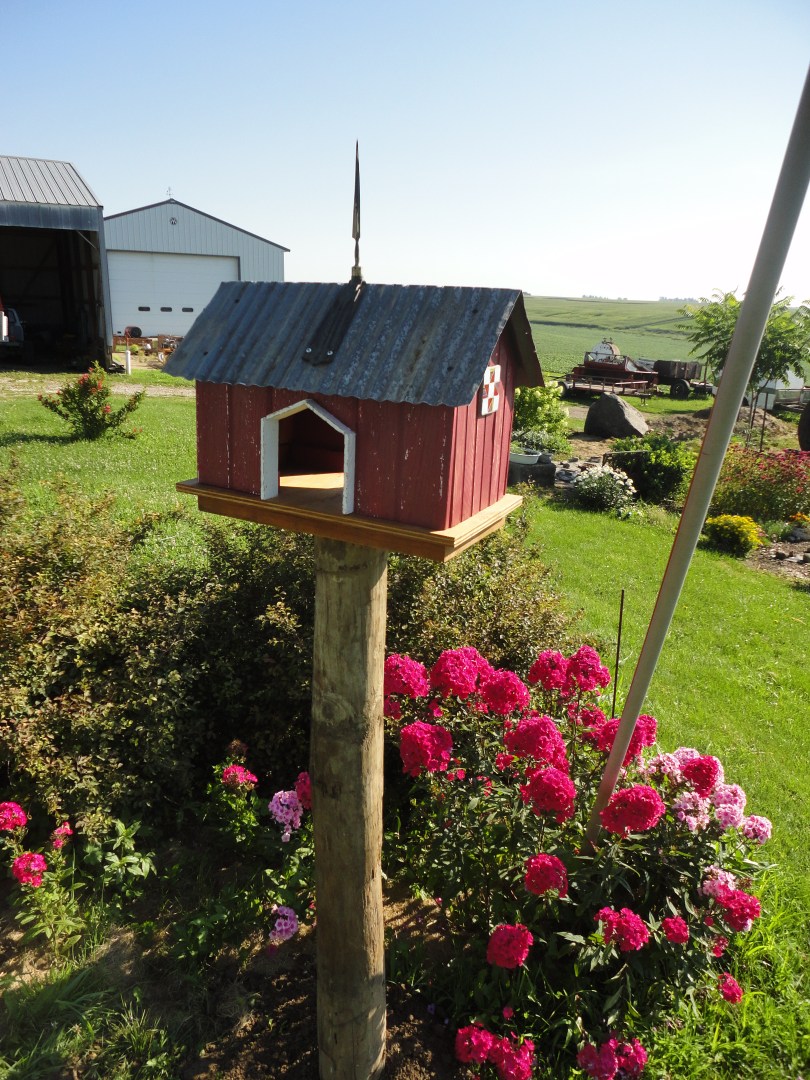
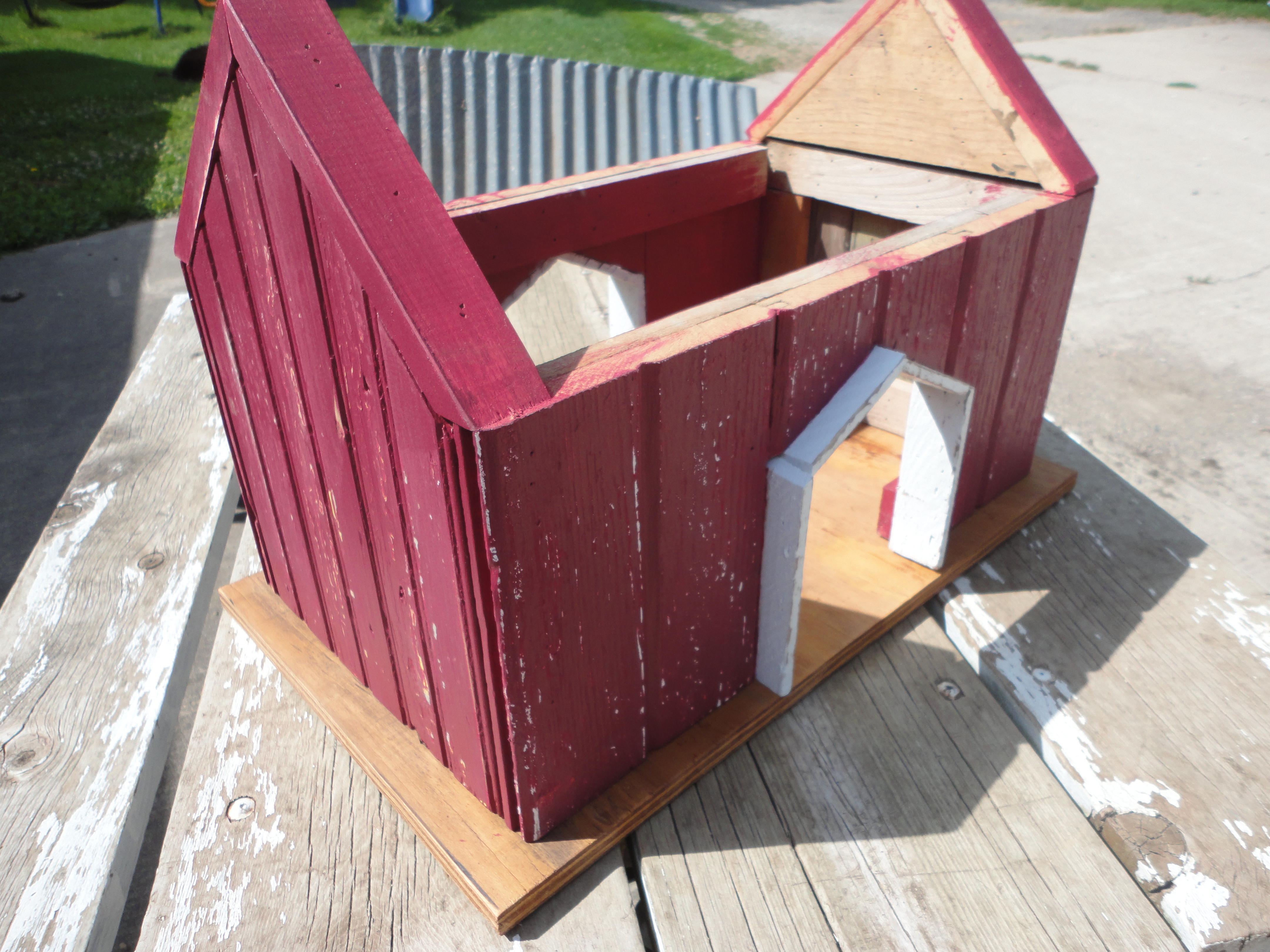
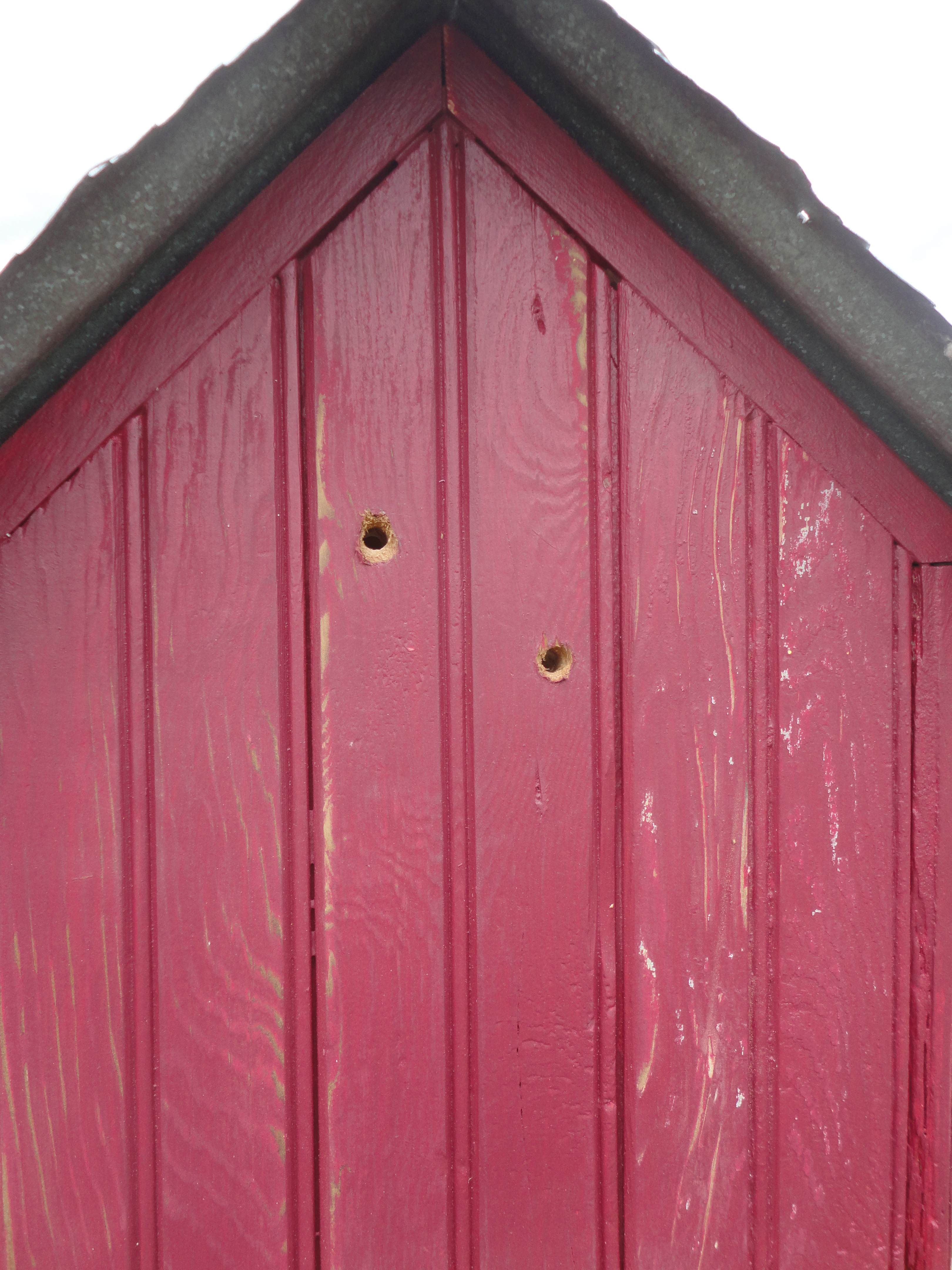
The size of our feeder was determined by the boards we had available. We used the narrow wainscoting for the sides and the wide for the front and back. A simple frame was built from scrap lumber and the boards were attached with a brad nailer, painted red, then lightly sanded. I rescued a 1 1/2″W x 1/4″ thick piece of rough shipping crate lath from the trash bin to trim out the side entries. The trim pieces were cut, attached, and painted white. My completed barn measurements, without a base, are 20 1/2″L x 11 1/2″W. The side peaks are 14 1/2″H.

For the base, we used a piece of 3/4″plywood, cut 22 1/2″L x 13″W and a 1 1/2″thick plank cut 20 1/2″L x 11″W. Both were sanded and treated with Thompson’s Water Seal.

DSC07185DSC07160

Please be careful with this next step, cut steel edges are very sharp and jagged! You may want to wear gloves. Using tin snips, cut a piece of corrugated steel, with furrows running lengthwise, 20″L x approximately 23 1/2″W. For a neater appearance, cut the steel so the sides are matching. For example, I needed the roof to be 23 1/2″W, but went a bit wider so I was at the top of a furrow on each side. I was lucky on this step and had a scrap of steel that was in very good condition on one end and I only had to make 2 cuts. Cutting up the side, along a furrow, may be difficult. We found it helpful to bend it back as we cut and take your time.

My husband clued me in on a very helpful tip for bending the steel. Once cut, lay it flat, topside down (we were working on concrete). Pencil mark in the middle where you want it to bend. Lay a steel rod on the mark and hold it down firmly.. I stood on one end while my husband held the other. Hammer on the rod to collaspe the furrows down. When done, keep the rod in place and slowly raise up one side of the steel, bending it evenly towards the rod. Easy Peasy!

DSC07153DSC07180

Disappointingly, my bird feeder sit in pieces for the last two couple of months while I debated on what I wanted to add to the top. I remembered that the one in the magazine had something protruding from the top.. a little metal weathervane, I think. Regardless, I needed something and nothing I had was really clicking. My problem was solved a few weeks ago when my sister declared she was not leaving a 75% off junk booth until she found something. After digging around a bit she popped up with a mini lightning rod on an upside down v-shaped brass holder. TA-DAA! Six Dollars!!  It was perfect!  I’m so glad she didn’t want it, that could have been a problem.

So, finally, we were ready to set my feeder in place. We enjoy bird watching, so it was positioned close to the house, amid a patch of red garden phlox, and turned at an angle so there was a view through the sides.

Coming up from the bottom, so screws wouldn’t show, the feeder was attached to the plywood. Screw on roof and lightning rod. Set your post. Attach the plank to the wooden post with lag screws. Sit barn with plywood on the plank, and attach with long screws through the bottom of the plank, again so screws are hidden. Note – Screw tips may protrude through the plywood so place screws towards the side ends of the feeder so you maintain a clean view through the side entries.

And for “the glassic touch“?  What’s a barn without a barn quilt?!

DSC07206DSC07282

Before adding the roof, I drilled two holes, in one side, in preparation to hang a miniature mosaic glass barn quilt. The wooden frame was thick so reaming out the holes on the inside was necessary to accommodate the screws and nuts being used.

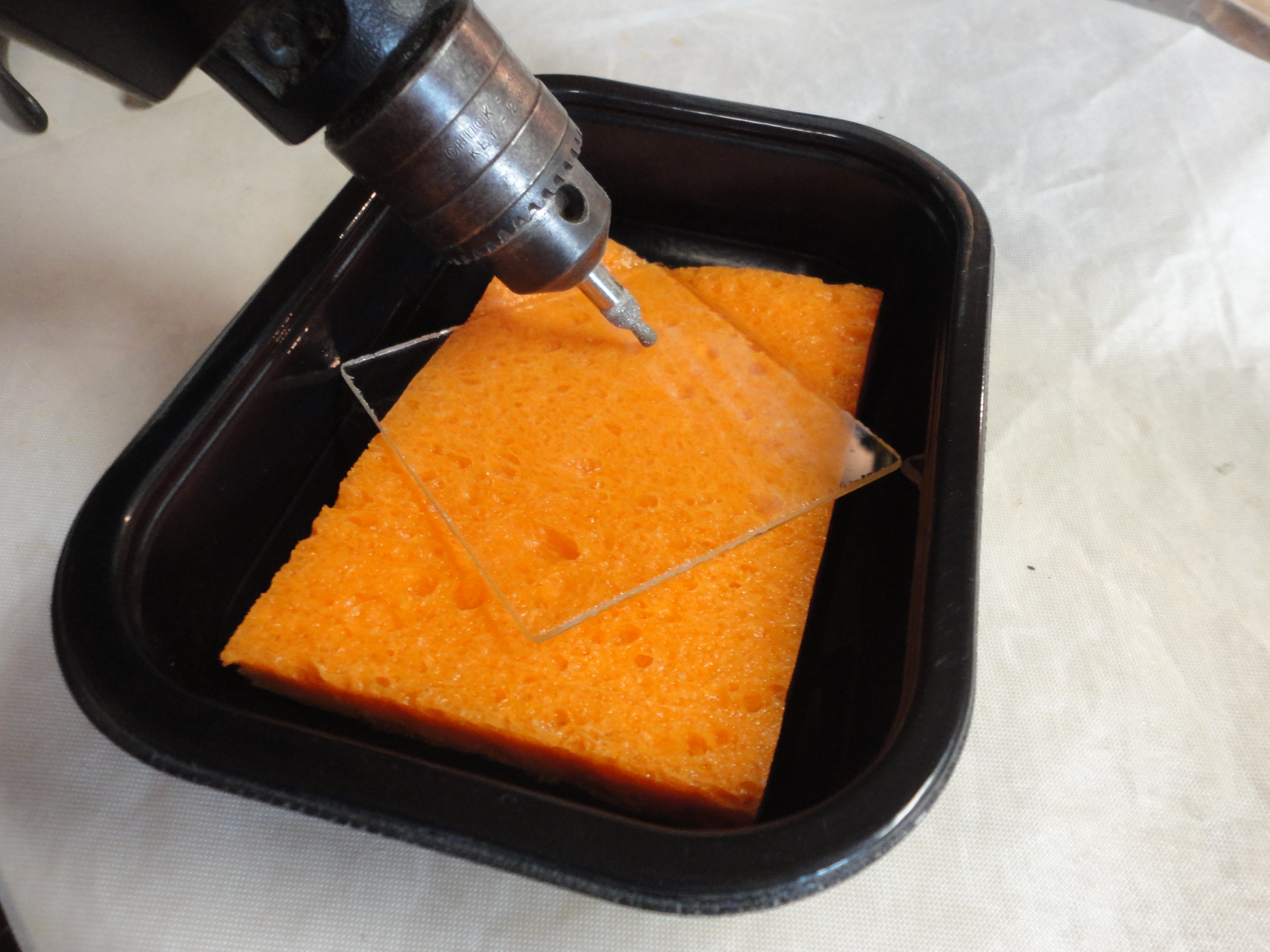
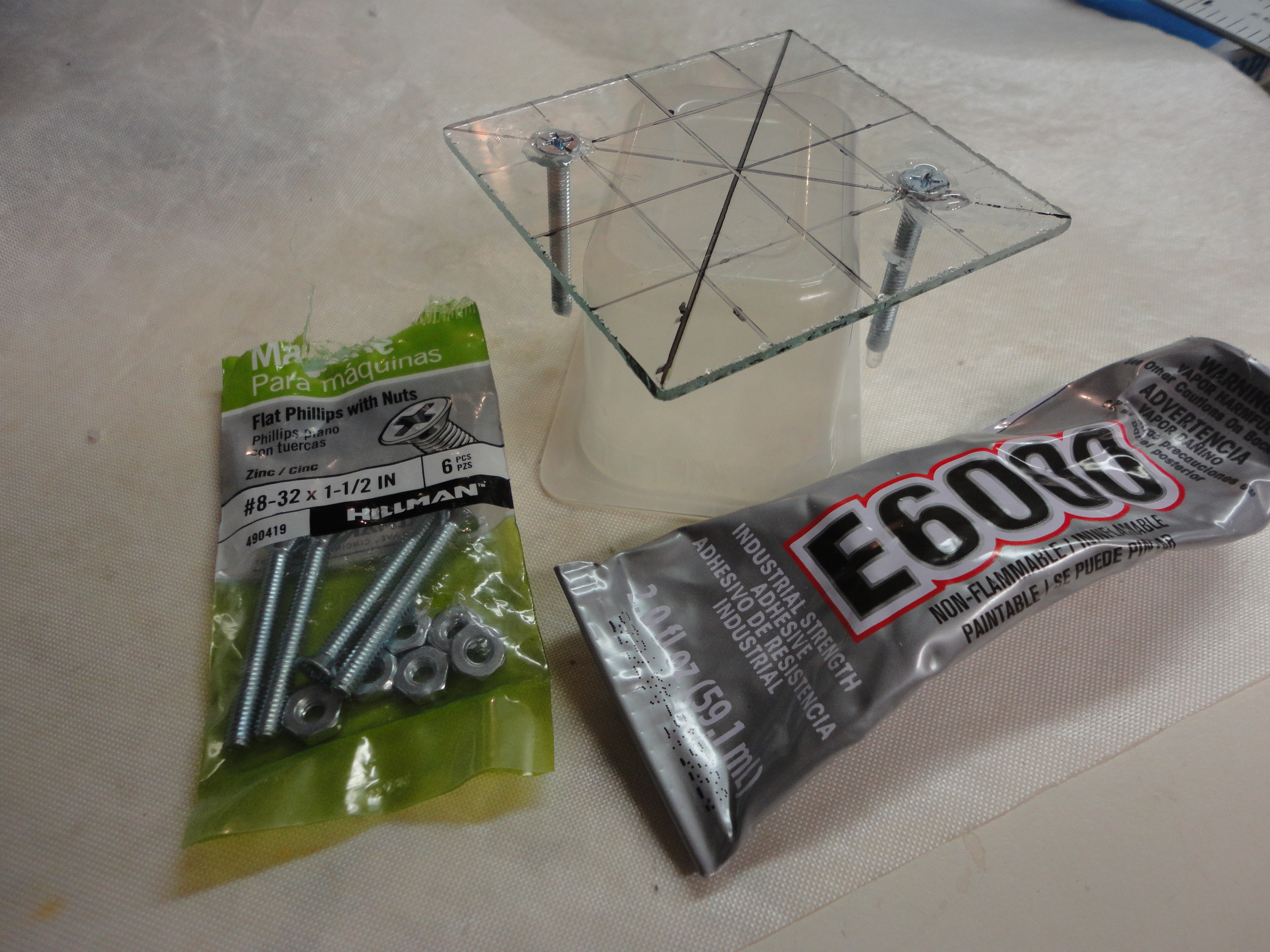
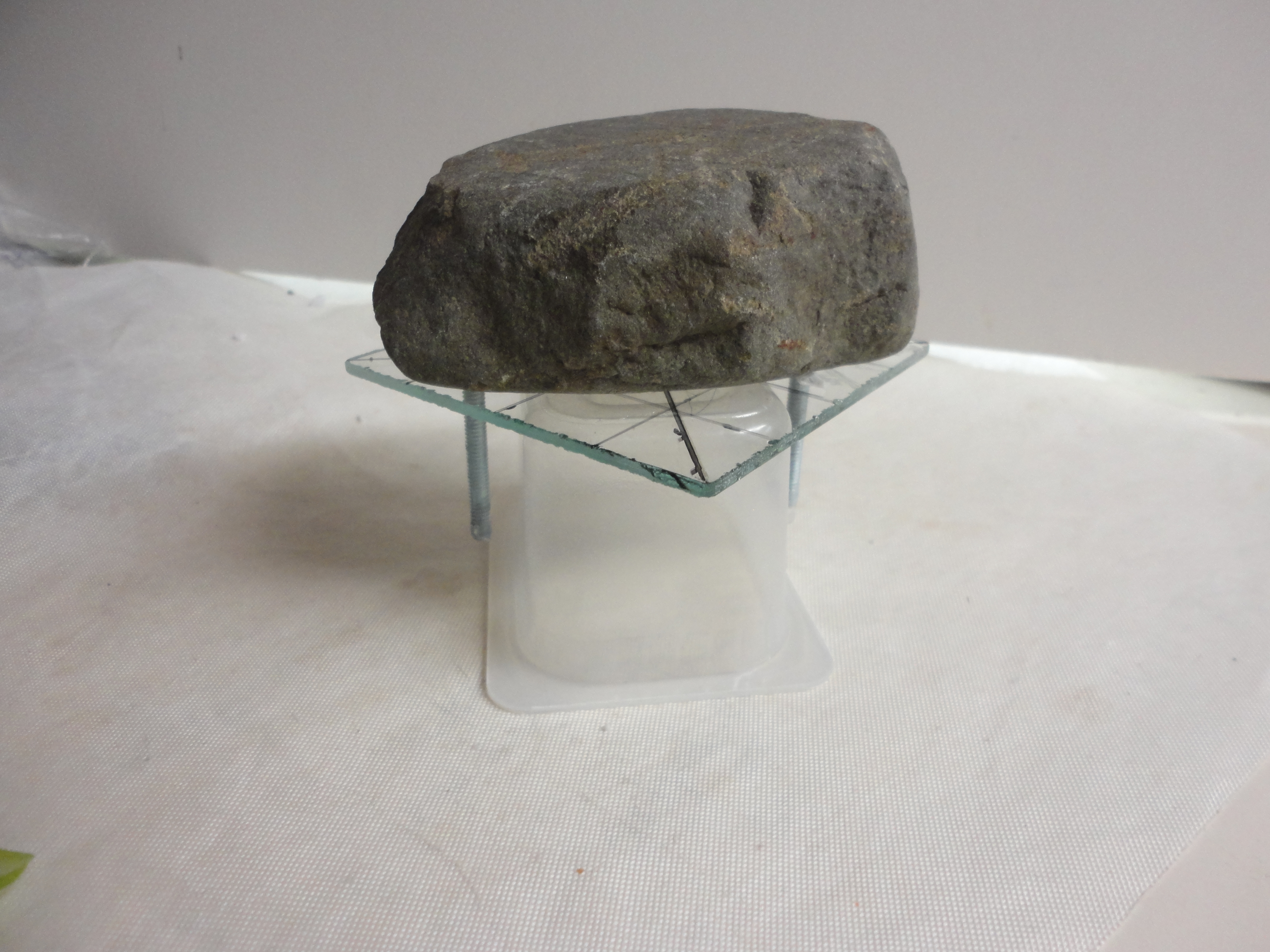
With bitter cold, icy Iowa winters, I make a habit of bringing my mosaics, glass chunks, and stepping stones inside for the winter. For this reason, I wanted my quilt removable. With a diamond head bit, I drilled 2 holes in a 3″ x 3″ square piece of glass. Then I used a coned shaped bit so the head of my screw would be inset. Always use water to cool the glass while drilling or it will break. I balanced my glass on an upturned plastic baby food container, that fit between the holes, and glued my screws in place with E6000, weighed them down with a rock, and let dry for 24 hours. With a glass marker, I drew lines from corner to corner and such so I would be able to center any design. Or, you can draw an actual design if you have one chosen.

DSC07015DSC07030

DSC07088DSC07103

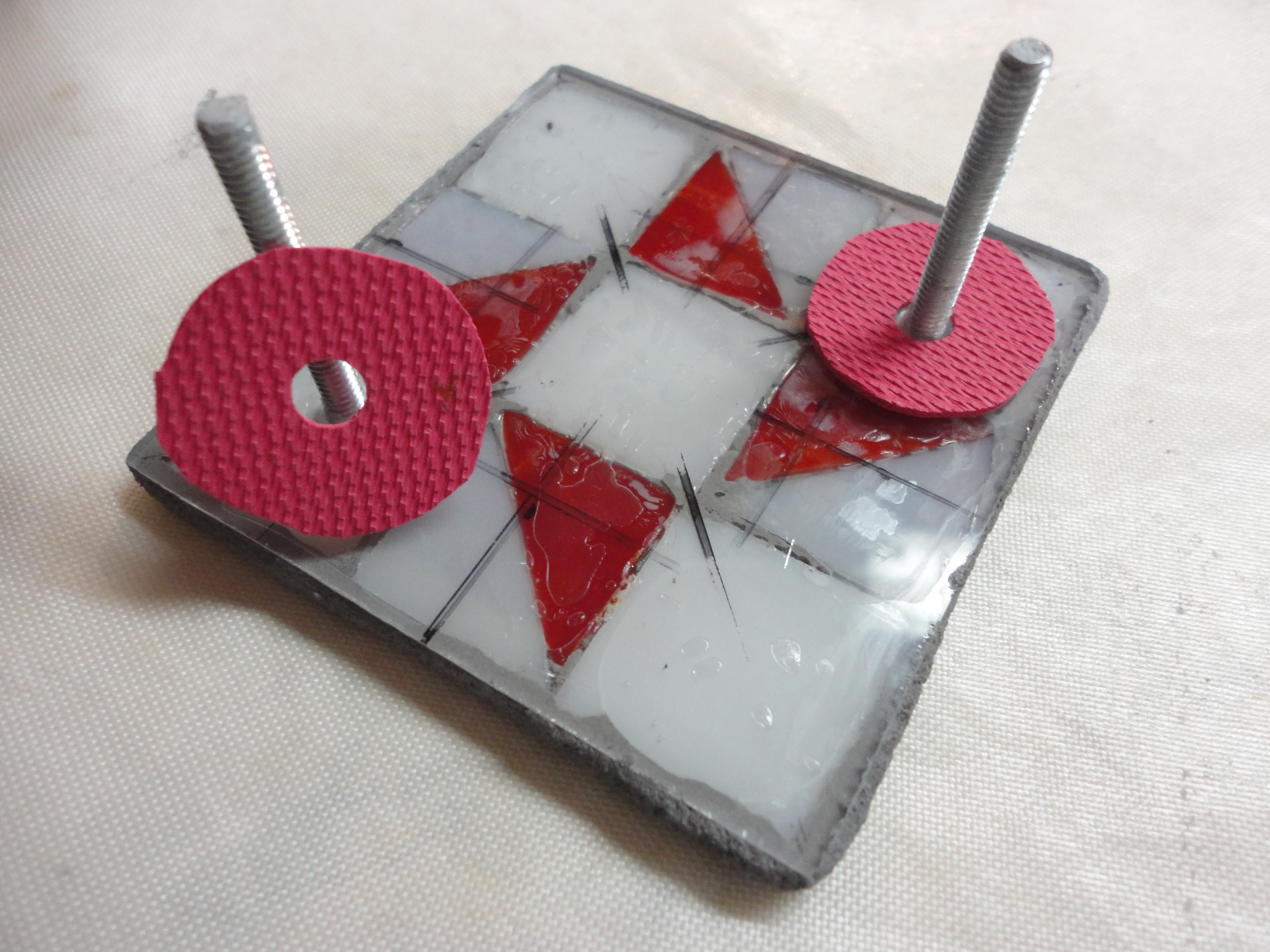
After deciding on a simple Pinwheel pattern, I cut some scrap glass and glued it on, again with E6000, and let dry 24 hours. I grouted with Interior/Exterior Sanded Gray Grout. Wanting a darker gray grout line I added a few drops of Exterior Black Primer to my water before mixing. I’ve never added paint before, so it will be a good test I guess. Let the grout dry 24 hours then seal. Follow the directions on your sealer for drying time before subjecting it to wet weather. With no light source from behind, I recommend using opalescent glass for this project to make it highly noticeable. If you do choose to use transparent glass, remember to remove any pattern lines that may show through the glass.

DSC07142DSC07199

When hanging the quilt, I added two thin rubber washers, cut from an old jar gripper, to prevent movement and add cushioning between the glass and wood. And – DONE! It’s time to toss in some bread crumbs and watch the birds while I ponder what my next project will be……

DSC07285

I hope you enjoyed my post and were able to pick up a few helpful tips while visiting here. I welcome and look forward to your thoughts, questions, or suggestions. Thanks for stopping by!